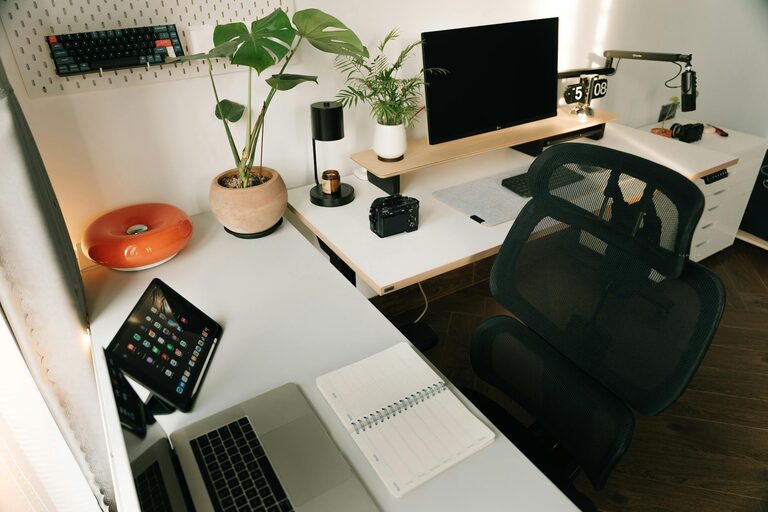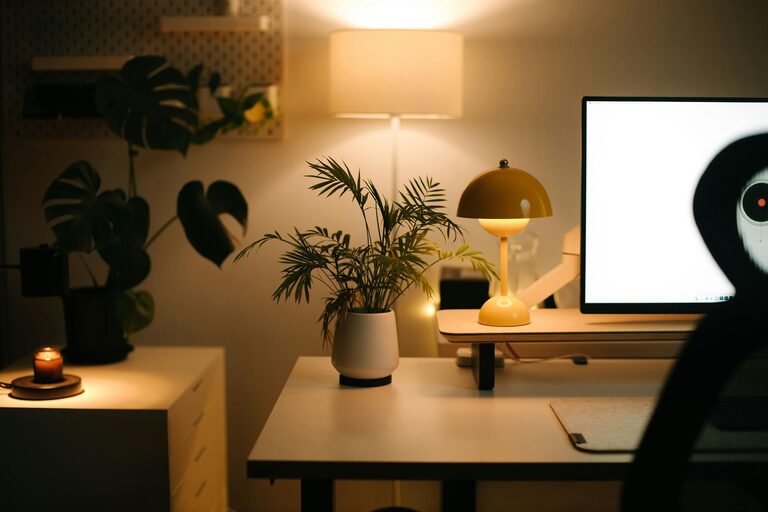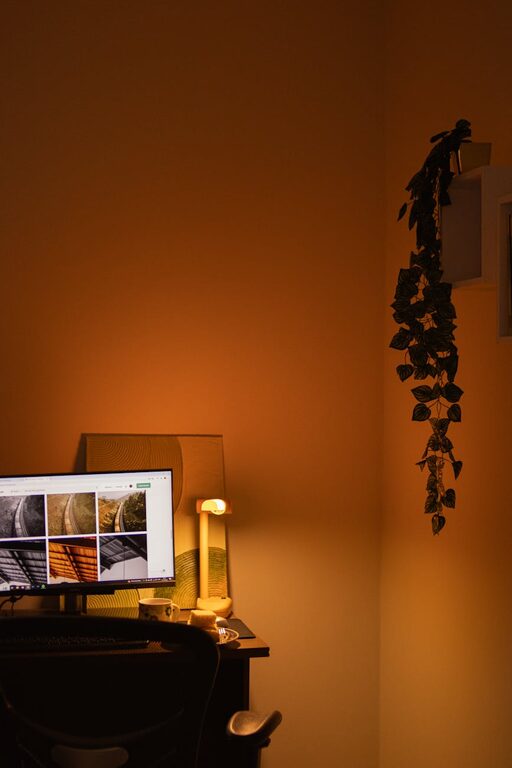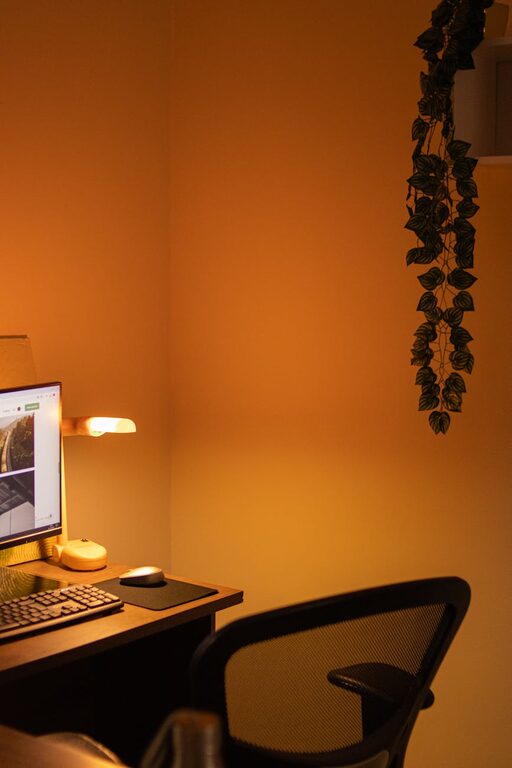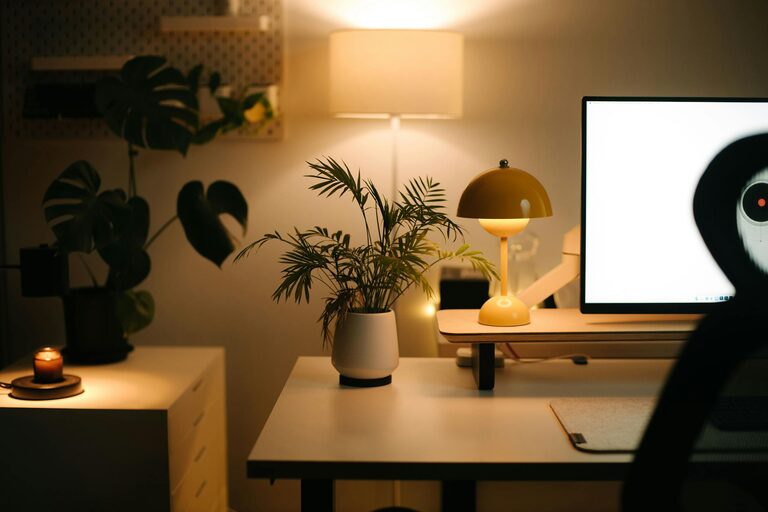
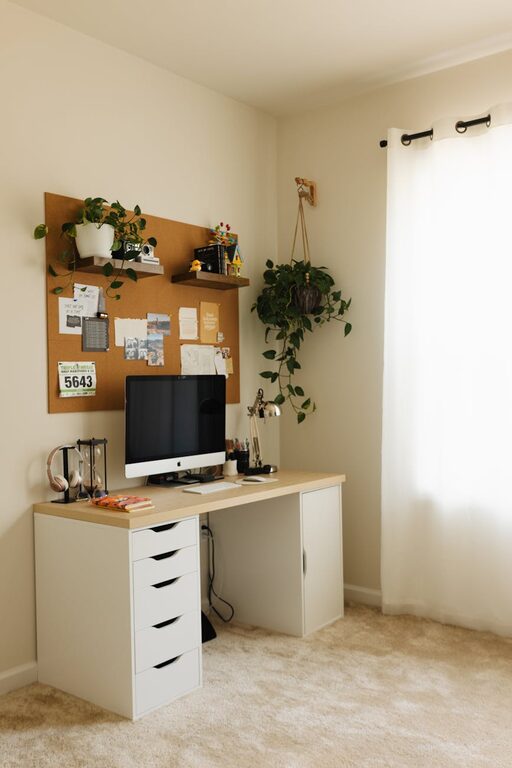
Creating a home office that balances comfort and productivity can transform the way you work. Whether you’re working from home full-time or just need a dedicated space for occasional tasks, a cozy and efficient setup helps improve focus and reduces stress. Here are some practical tips to help you design a home office space that feels inviting and keeps you on track throughout the day.
Choose the Right Location
When setting up your home office, start by selecting the best spot in your home. Consider:
– Natural light: Choose a space near a window to take advantage of daylight, which can boost mood and energy.
– Quietness: Find a quiet area where you can concentrate without frequent interruptions.
– Space: Make sure there’s enough room for your needs—not just a desk and chair, but storage and movement too.
If space is limited, consider creative options like a corner nook or a small section of a larger room.
Invest in Comfortable Furniture
Comfort is key, especially if you spend long hours at your desk.
– Ergonomic chair: Look for adjustable chairs that support your back and encourage good posture.
– Desk height: Make sure your desk is at the right height so your arms rest comfortably while typing.
– Footrest: If your feet don’t touch the floor, a footrest helps reduce strain on your legs.
Comfortable furniture reduces fatigue, so you can work longer without discomfort.
Organize Efficiently
A clutter-free workspace promotes focus and reduces distractions.
– Storage solutions: Use shelves, drawers, and organizers to keep supplies and documents neat.
– Cable management: Tidy up cords with clips or sleeves to prevent tangles and keep your desk clean.
– Daily reset: Spend a few minutes each day putting things back in place.
By staying organized, you save time searching for materials and create a calming atmosphere.
Personalize Your Space
Adding personal touches can make your home office feel welcoming and inspiring.
– Artwork and photos: Display images that motivate or relax you.
– Plants: Indoor plants not only add beauty but also improve air quality.
– Colors: Choose colors that suit your mood and promote productivity—soft blues and greens are calming, while yellows can encourage creativity.
Personalization helps connect you to your space and fosters a positive work environment.
Optimize Lighting
Proper lighting is essential for both comfort and efficiency.
– Layered lighting: Combine natural light with dedicated task lighting and ambient light.
– Desk lamp: An adjustable lamp helps reduce eye strain by providing focused light on your work.
– Avoid glare: Position your screen and lighting sources to minimize glare and reflections.
Good lighting keeps you alert and prevents headaches and eye fatigue.
Minimize Distractions
Creating boundaries is important, especially if you share your home with others.
– Designate work hours: Let family members or roommates know your schedule.
– Noise control: Use headphones or white noise machines to block out background sounds.
– Separate work and leisure: Keep work-related materials out of sight when off the clock.
A distraction-free environment helps maintain concentration and work-life balance.
Use Technology Wisely
Leverage technology to streamline your work without overwhelming your space.
– Wireless devices: Minimize cables with wireless keyboards, mice, and printers.
– Dual monitors: If your work requires it, two screens can boost productivity by expanding your digital workspace.
– Charging stations: Keep devices powered and ready without cluttering your desk.
Technology should support your workflow, making tasks easier and faster.
Incorporate Break Spaces
Allow yourself to step away from your desk to recharge.
– Comfortable seating: Add a small chair or cushion nearby for short breaks.
– Stretching area: Leave enough room to stand and stretch to avoid stiffness.
– Refreshments: Keep water or tea nearby to stay hydrated.
Taking regular breaks can improve focus and creativity throughout the day.
Maintain Cleanliness
A clean workspace encourages a clear mind.
– Daily tidying: Wipe surfaces and clear debris every day.
– Regular deep cleaning: Schedule weekly or monthly cleanings to keep dust and dirt at bay.
– Air quality: Open windows or use air purifiers as needed.
A tidy office contributes to better health and a more pleasant working environment.
—
Creating a home office that is both cozy and productive is about thoughtful choices and small adjustments. With the right location, furniture, lighting, and organization, your workspace can become a place you look forward to spending time in—helping your workday flow smoothly and comfortably. Try incorporating some of these tips to make your home office a true productivity haven.
About the Author