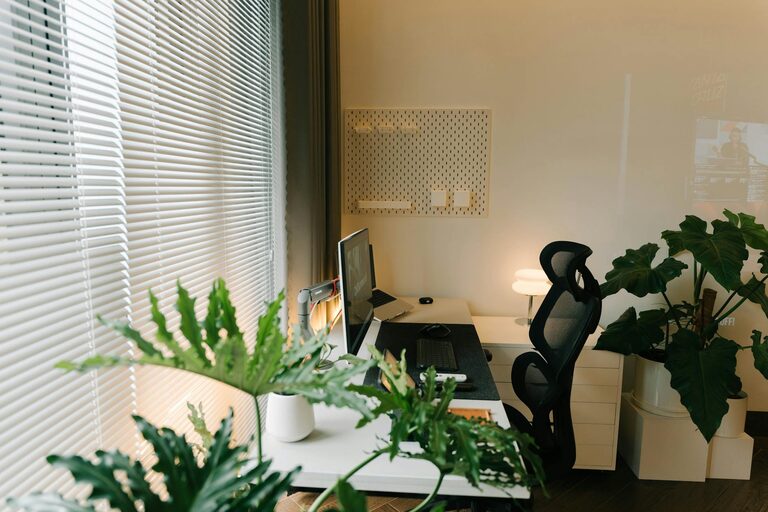
Creating a home office space that is both comfortable and productive can greatly improve your work-from-home experience. Whether you’re working remotely full-time or just occasionally, having a dedicated area tailored to your needs helps you stay focused, organized, and motivated. In this post, we’ll explore practical tips for setting up a home office that supports your well-being and maximizes productivity.
Choose the Right Space
Find a Dedicated Work Area
It’s important to designate a specific spot in your home solely for work. This helps mentally separate work from personal life and minimizes distractions. Ideally, choose a quiet location with minimal foot traffic, such as a spare room or a corner of a less-used room.
Consider Natural Light
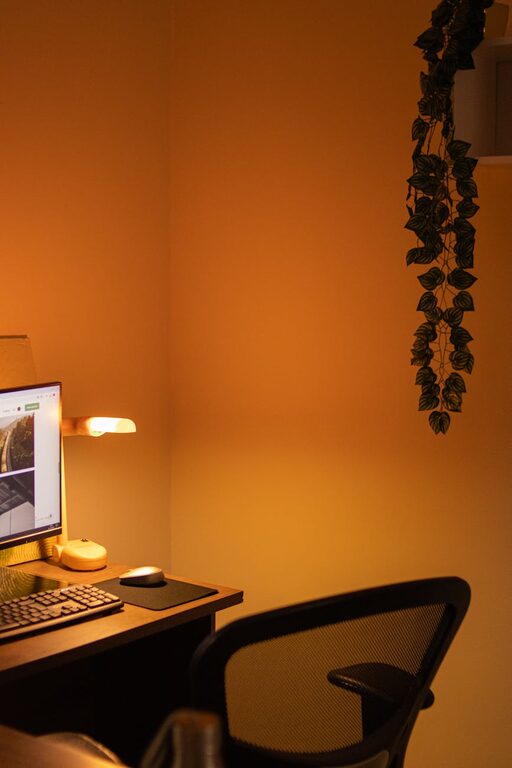
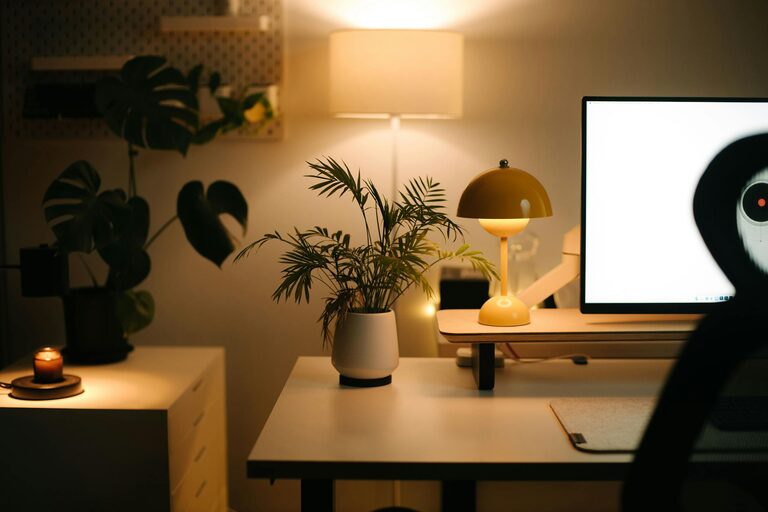
Having access to natural light can boost your mood and energy levels. Position your desk near a window if possible. If natural light is limited, invest in good quality lighting that mimics daylight to reduce eye strain.
Invest in Ergonomic Furniture
Select an Adjustable Chair
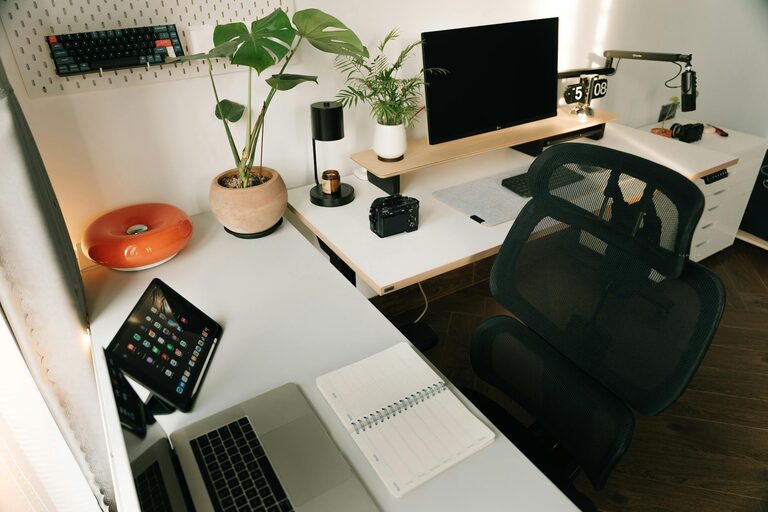
A comfortable, ergonomic chair supports good posture and prevents back pain during long work sessions. Look for chairs with adjustable height, lumbar support, and armrests.
Use a Suitable Desk
Your desk should accommodate your computer and materials comfortably, with enough surface area to work without clutter. Adjustable desks that allow sitting and standing can be a great option to vary your posture throughout the day.
Organize for Efficiency
Declutter and Keep Essentials Handy
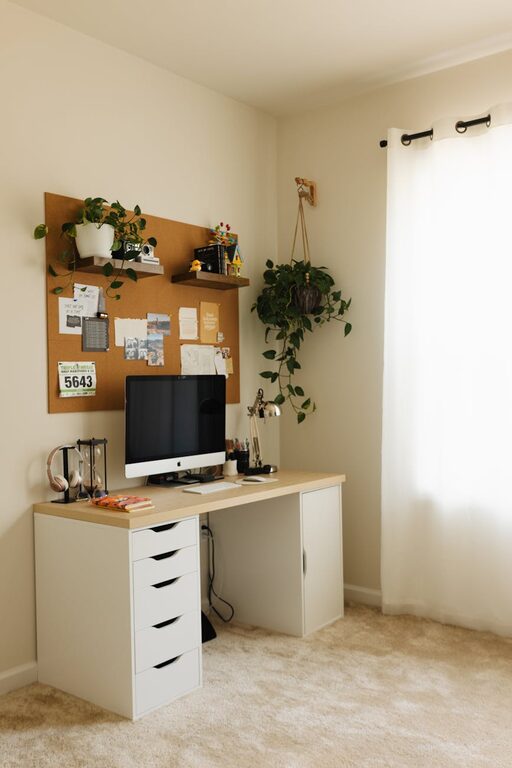
A tidy workspace clears your mind and helps you stay focused. Use drawers, shelves, or organizers to keep supplies like pens, paper, and chargers within reach but out of sight.
Cable Management
Organize cords and cables with clips, sleeves, or under-desk trays. This reduces clutter and prevents tangling, making your workspace safer and more visually appealing.
Personalize Your Workspace
Add Meaningful Decor
Including a few personal touches like photos, artwork, or plants makes the space inviting and less sterile. Plants, in particular, can improve air quality and provide a refreshing visual break.
Use Calming Colors
Choose wall colors or accents in hues that promote calm and concentration, such as soft blues, greens, or neutrals.
Incorporate Technology Wisely
Ensure Reliable Internet
A fast, stable internet connection is crucial for video calls, file sharing, and research. Consider upgrading your router or using a wired connection if necessary.
Use Quality Equipment
Invest in a good-quality monitor, keyboard, mouse, and webcam to enhance comfort and communication. Ergonomic accessories like a keyboard wrist rest can reduce strain.
Prioritize Breaks and Movement
Schedule Regular Breaks
Taking short breaks every hour can refresh your mind and prevent burnout. Use reminders or apps to prompt you to stand, stretch, or take a quick walk.
Create Space for Movement
If your home office allows, have an area for brief exercises or stretches. Movement promotes circulation and can improve focus.
Manage Noise and Distractions
Use Noise-Cancelling Headphones
To minimize background noise, consider noise-cancelling headphones. They are especially helpful if you live in a busy household or noisy area.
Establish Boundaries
Communicate your work hours to family or housemates to limit interruptions. Use signs or closed doors as gentle cues that you’re working.
Maintain Good Air Quality
Ventilate Your Space
Open windows or use fans to keep fresh air circulating. Good air quality can improve concentration and comfort.
Add Air-Purifying Plants
Certain plants like snake plants or spider plants help filter the air and add a touch of nature to your office.
Establish a Routine
Design a Start-of-Day Ritual
Begin each workday with a consistent routine, such as making coffee, reviewing your to-do list, or tidying your desk. This helps signal your brain it’s time to focus.
Set Boundaries for Ending Work
At the end of your day, organize your workspace and turn off work-related devices. This supports a clear division between work and personal time.
—
Designing a comfortable and productive home office is a personal process, but these tips can set a strong foundation. By investing time and thought into your workspace, you create an environment that supports your success and well-being. Happy decorating and working from home!
About the Author