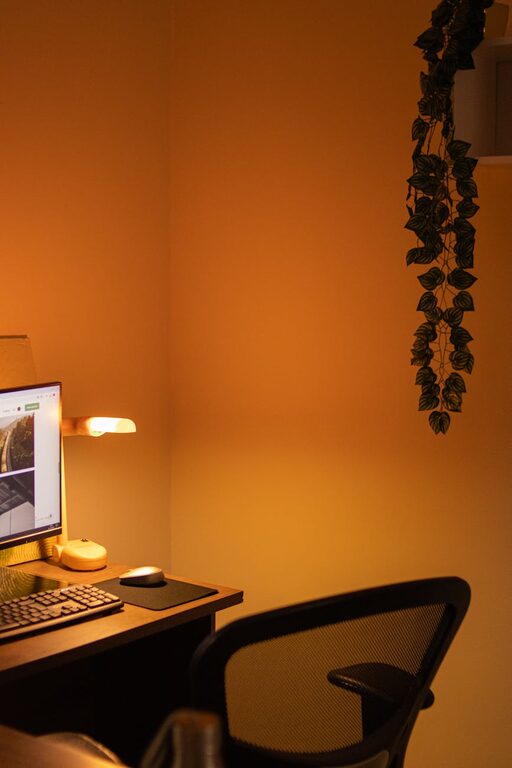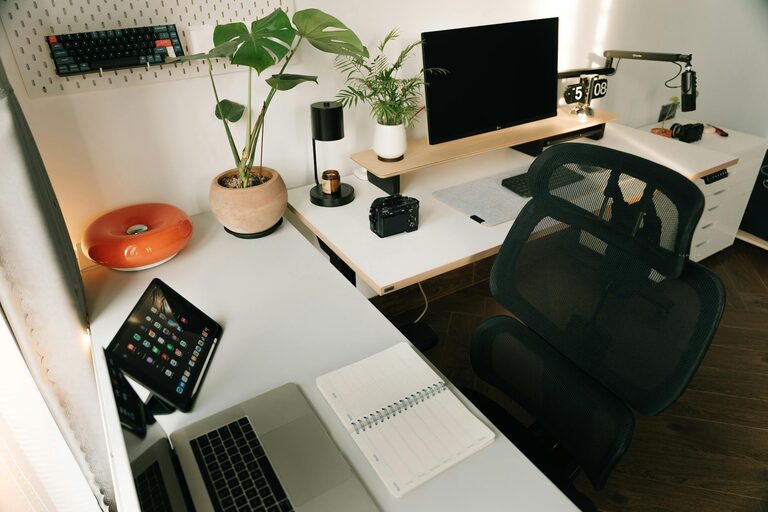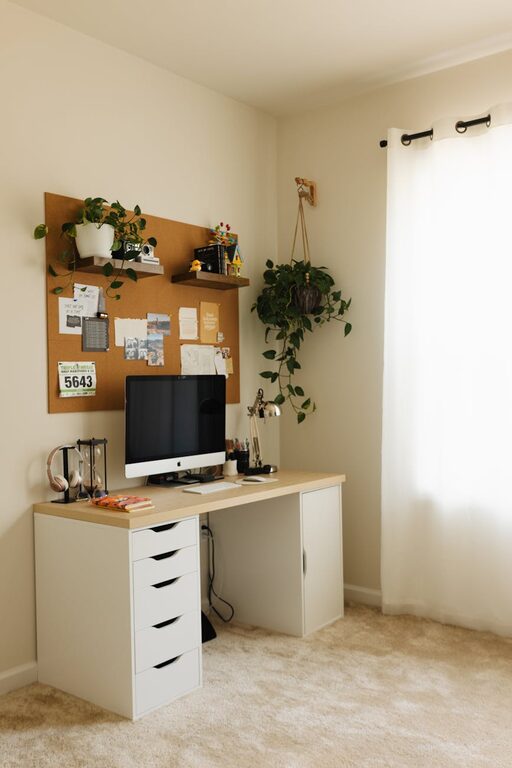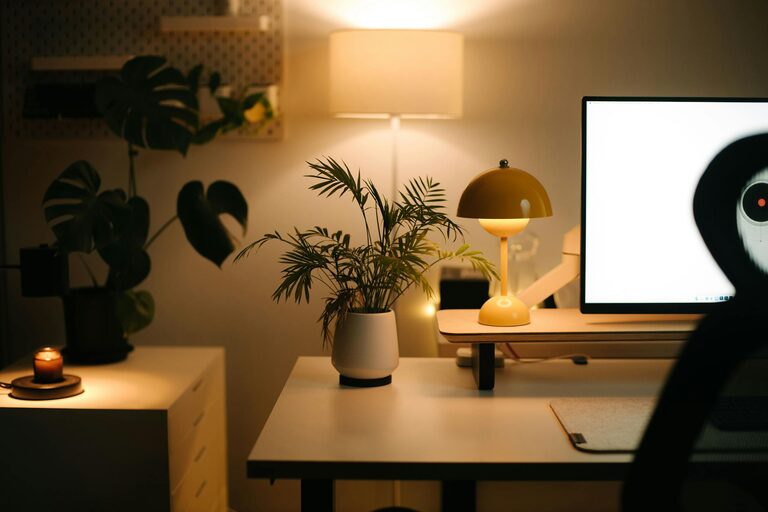
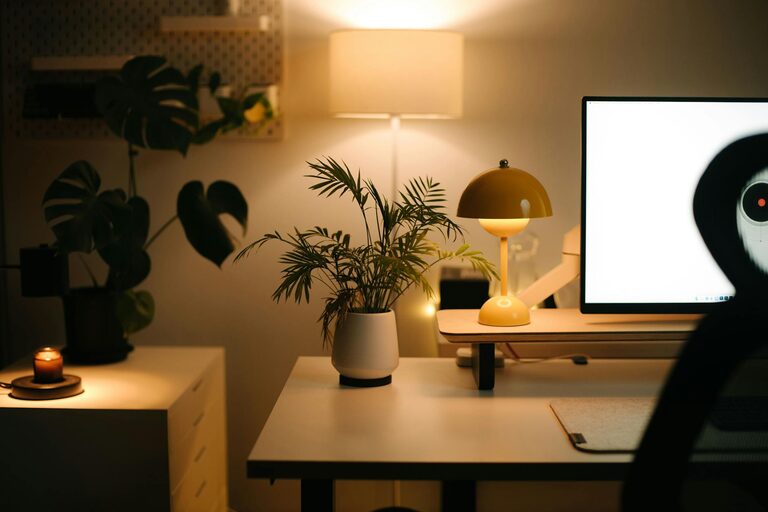
Creating a cozy and inviting home office space is essential for anyone working from home or simply needing a dedicated area for tasks, study, or hobbies. A well-designed space can increase productivity, reduce stress, and make your workday more enjoyable. Whether you have a small corner or an entire room, there are many ways to transform your home office into a comfortable and inviting environment. Here are some practical tips to get you started.
Choose the Right Location
Finding the best spot in your home is the first step to creating a pleasant workspace.
– Natural Light: Try to set up near a window to enjoy natural light, which helps reduce eye strain and improve mood.
– Quiet Environment: Pick a place away from heavy foot traffic or noisy appliances to minimize distractions.
– Space Considerations: Make sure there is enough room for your desk, chair, and storage, allowing you to move comfortably.
Invest in Comfortable Furniture
Your home office should be practical but also comfortable to support long hours of work.
– Ergonomic Chair: Choose a chair with good lumbar support and adjustable height to maintain proper posture.
– Functional Desk: Select a desk with sufficient surface area to hold your computer, notebooks, and other essentials without feeling cluttered.
– Flexible Seating: Consider adding a small lounge chair or ottoman for reading or brainstorming sessions.
Optimize Lighting
Good lighting is key to reducing eye fatigue and setting the right mood.
– Layered Lighting: Combine ambient light (overhead) with task lighting (desk lamp) to create a balanced atmosphere.
– Adjustable Brightness: Use lamps with dimmer controls or different bulbs so you can customize lighting for various tasks.
– Avoid Glare: Position screens and light sources to prevent reflections or glare on your computer monitor.
Add Personal Touches and Decor
Making the space your own can inspire creativity and make your office more welcoming.
– Artwork and Photos: Hang pictures or artwork that motivates you or brings joy.
– Plants: Incorporate a few indoor plants to add color, improve air quality, and reduce stress.
– Soft Textiles: Use rugs, cushions, or throws to add warmth and soften the space.
– Color Choices: Select soothing colors for walls or accessories; blues and greens create calm, while yellows and oranges stimulate energy.
Stay Organized
A tidy workspace helps maintain focus and reduces stress.
– Storage Solutions: Use shelves, filing cabinets, or organizers to keep papers and supplies neat.
– Cable Management: Hide or secure cords to prevent tangling and create a cleaner look.
– Minimal Clutter: Keep only necessary items on your desk and establish daily clean-up habits.
Incorporate Technology Thoughtfully
Technology is helpful, but too many devices or distractions can overwhelm your space.
– Essential Devices: Keep only the electronics you need, such as your computer, printer, or phone charger, within reach.
– Wireless Options: Use wireless keyboards, mice, and headphones to reduce cords.
– Noise Control: If noise is an issue, consider noise-canceling headphones or white noise machines.
Maintain Good Air Quality and Temperature
Comfort is about more than decor; it’s also the environment around you.
– Ventilation: Keep windows open when possible or use fans to circulate fresh air.
– Temperature: Use a portable heater or fan to maintain a comfortable temperature.
– Air Purifiers: Consider air purifiers to improve indoor air quality, especially in closed rooms.
Create Zones for Different Activities
If space allows, divide your office into distinct areas to help your mind switch between tasks.
– Work Zone: The main desk area for computer work and writing.
– Reading Zone: A comfortable chair or nook for reading or reviewing materials.
– Creative Zone: A small table or surface for brainstorming, drawing, or crafting.
Establish a Routine and Boundaries
A cozy workspace supports your mental well-being, especially when setting boundaries between work and personal life.
– Work Hours: Set specific times to start and finish work to maintain balance.
– Break Areas: Step away from your desk during breaks to refresh your mind.
– Limit Distractions: Use apps or settings to block social media or unrelated notifications during work hours.
Final Thoughts
Transforming your home office into a cozy and inviting space doesn’t require a complete overhaul. Small changes, such as improving lighting, adding personal touches, or organizing your desk, can make a significant difference. Focus on comfort, functionality, and aesthetics to build an environment that supports your work and wellbeing every day. With these tips, your home office can become a place you look forward to spending time in.
About the Author